
Inflated Expectations: The Aero Data on Sports Bras
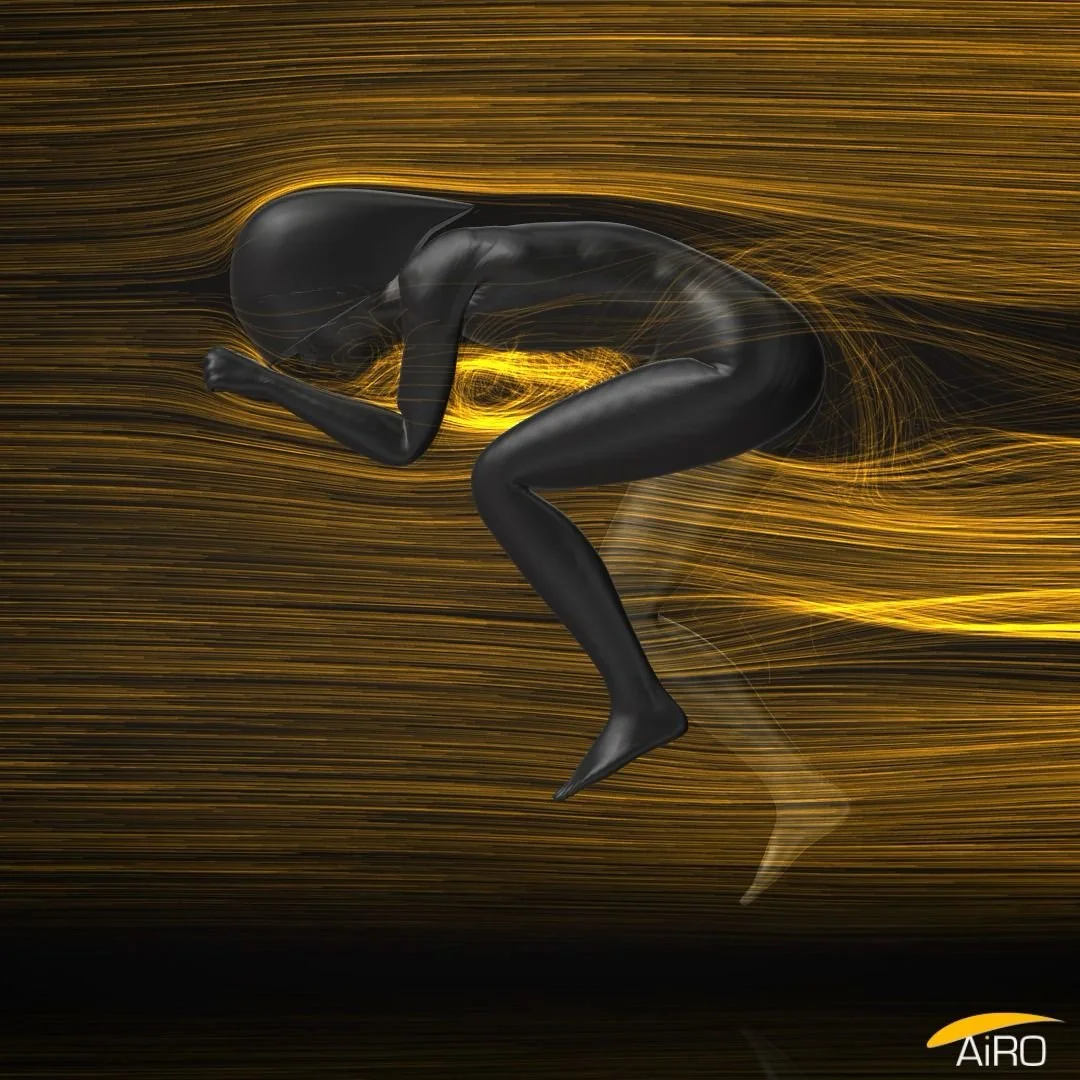
After policing sock height, the UCI is now closely looking at women's chests.
Last week at the Tour de France Femmes, riders queued outside a tent near the start ramp so that a commissaire could look at their sports bras before they were allowed to race. The rule being enforced, UCI Article 1.3.032, forbids items that modify a rider's morphology. Applied to a water bottle stuffed down a jersey, that is a clean rule. Applied to a bra, it requires an official to form a judgement about how much of a woman's chest is hers.
The sport arrived here for a reason, and the reason is a paper. In 2024, Blocken, Malizia and van Druenen published the first peer-reviewed study of chest fairings in the Journal of Wind Engineering and Industrial Aerodynamics. It found that the largest fairing tested reduced drag by 3.6%, worth around 19.5 seconds over a 25 km time trial, and concluded that a chest fairing "can decide who wins or loses." That number went everywhere. I would be surprised if it has not been read by every performance department in the WorldTour, and I would be equally surprised if the current wave of padded bras is unrelated to it.
So the questions the peloton is now asking are real ones, and they get uncomfortable fast. If padding is banned because it changes body shape, what about a compression bra that flattens? What about a rider who has had breast augmentation, or reduction? Is that equipment, an illegal body modification that bans you for life, or a personal life decision? Does a commissaire get to have an opinion about it? Nobody wants to write that rule, and nobody wants to be checked against it.
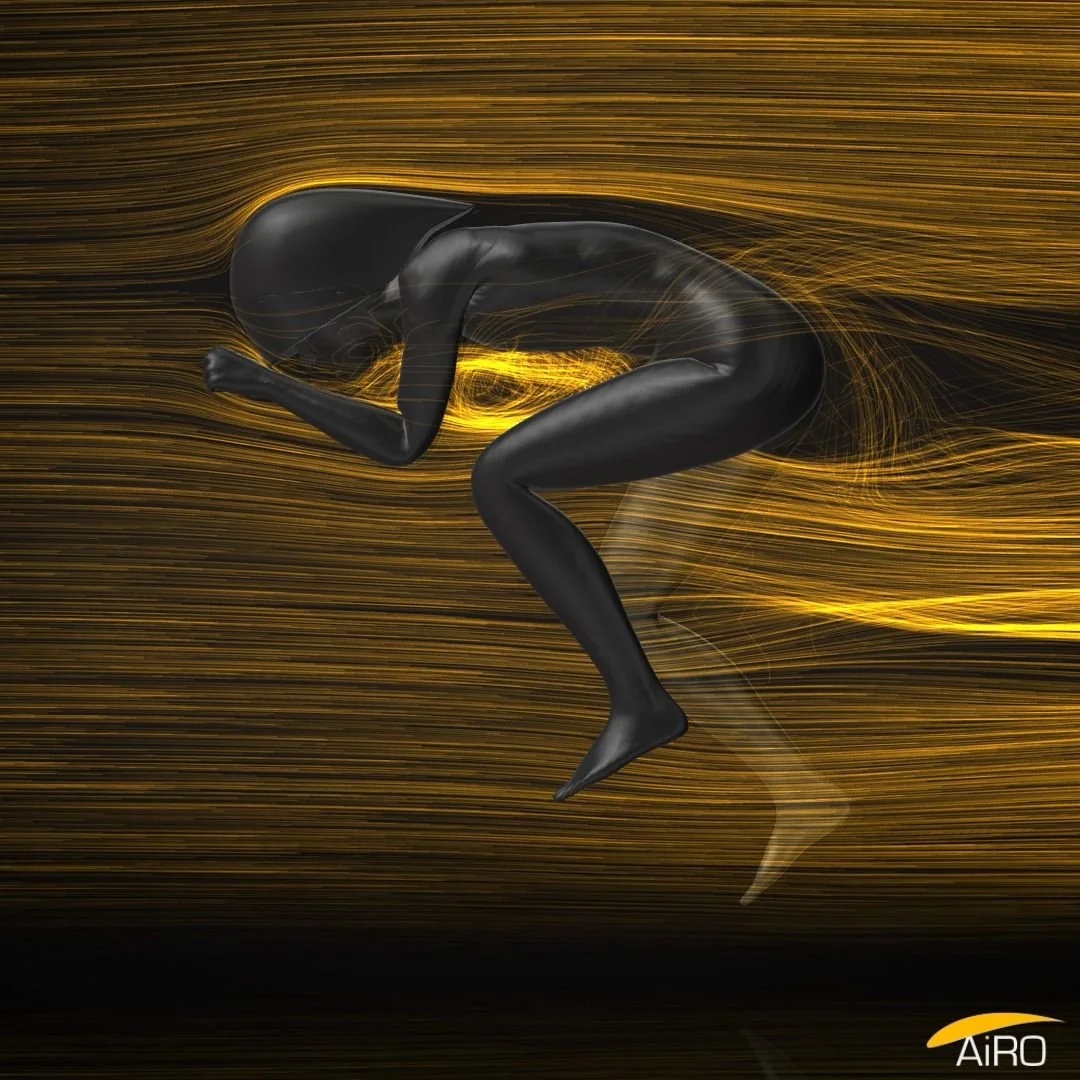
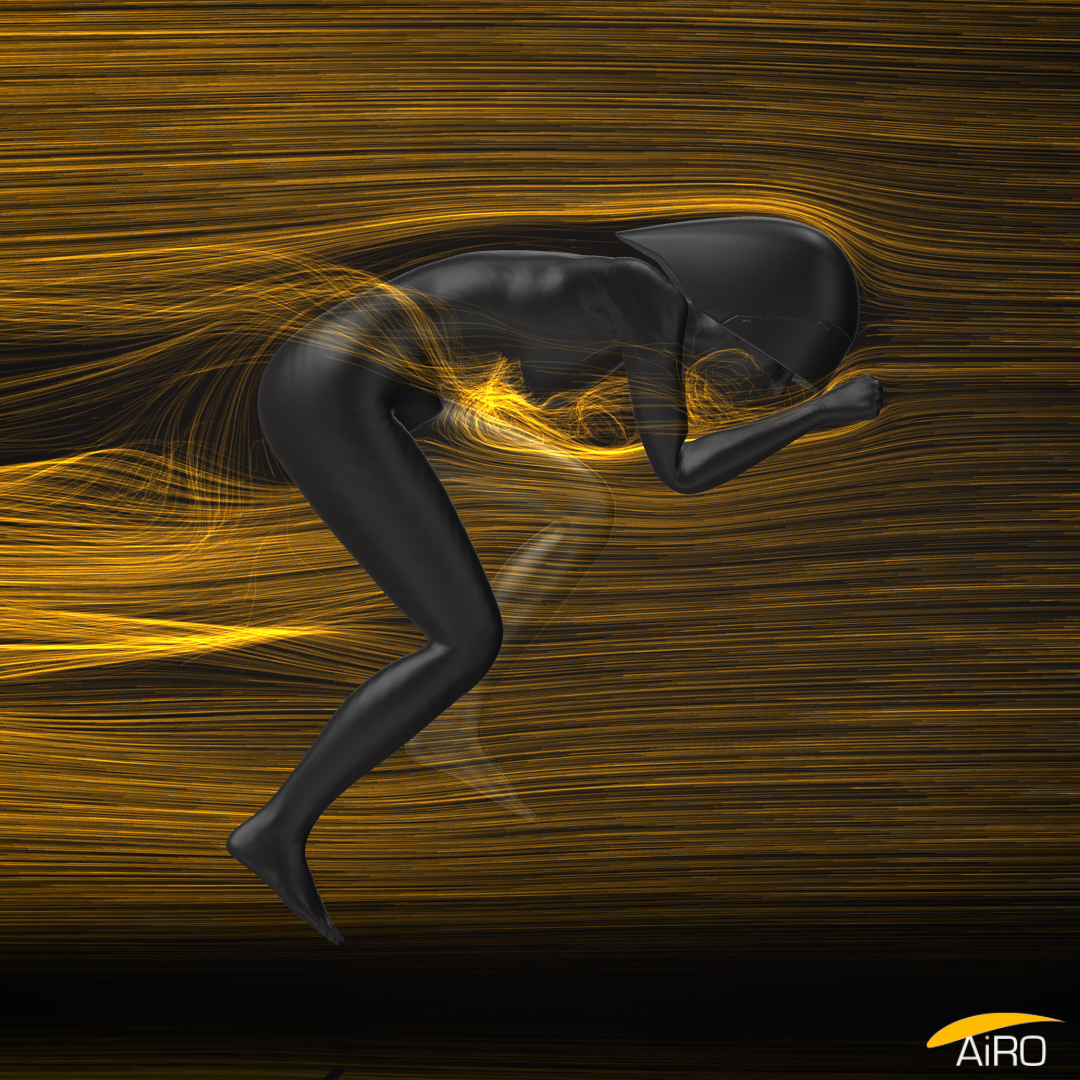
AiRO’s Digital Aero Twin Technology can not answer the societal implications, but we can quantify the effect to help steer the discussion with data. So we measured the effect of 3 different chest sizes on the aerodynamics of women, with two different helmets, and compared it to a male chest fairing (modelled after a water bottle tucked into the jersey) .
What happened
On Sunday, WielerFlits reported that several Women's WorldTeams had asked the UCI to enforce Article 1.3.032 against riders allegedly padding sports bras in time trials, noting that some riders appeared to have a larger chest in time trials than in road races, including at the Paris 2024 Olympics.
By Monday evening the race jury had added an unusual warning to the Tour de France Femmes communiqué, promising "particular attention" to clothing and accessories that could modify riders' morphology.
The riders learned the details roughly when the press did. CPA president Marina Cappellotto sent a note hours before the start asking why. Grace Brown, speaking for The Cyclists Alliance, made the point that has no good answer: how do you check this without invading privacy, when some women simply have fuller chests? Koen de Kort at Lidl-Trek put the same problem from the engineering side to The Athletic — you can say padding is not allowed, but how do you say how much a woman needs?
Nobody was disqualified. The commissaires found ice packs.
What we measured
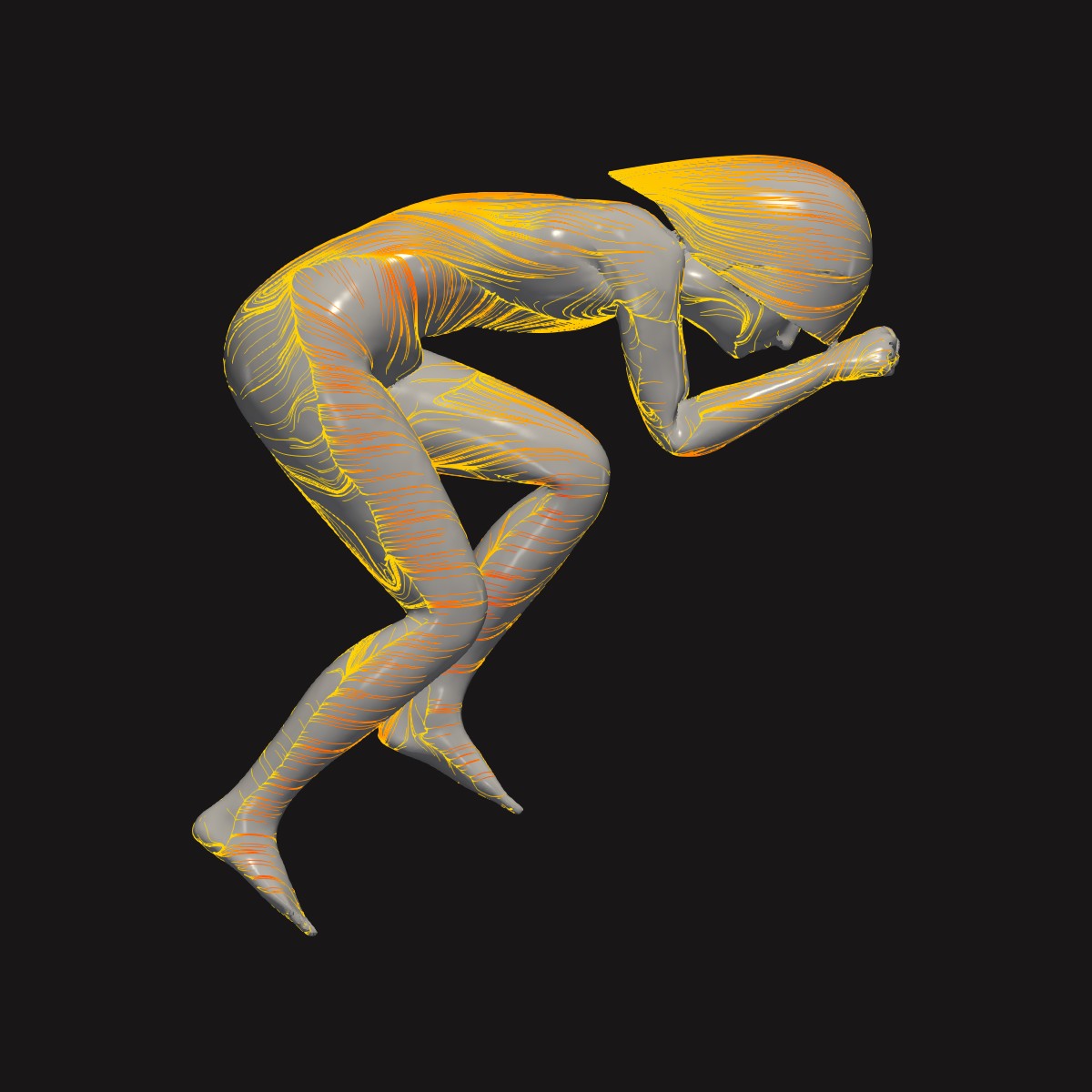
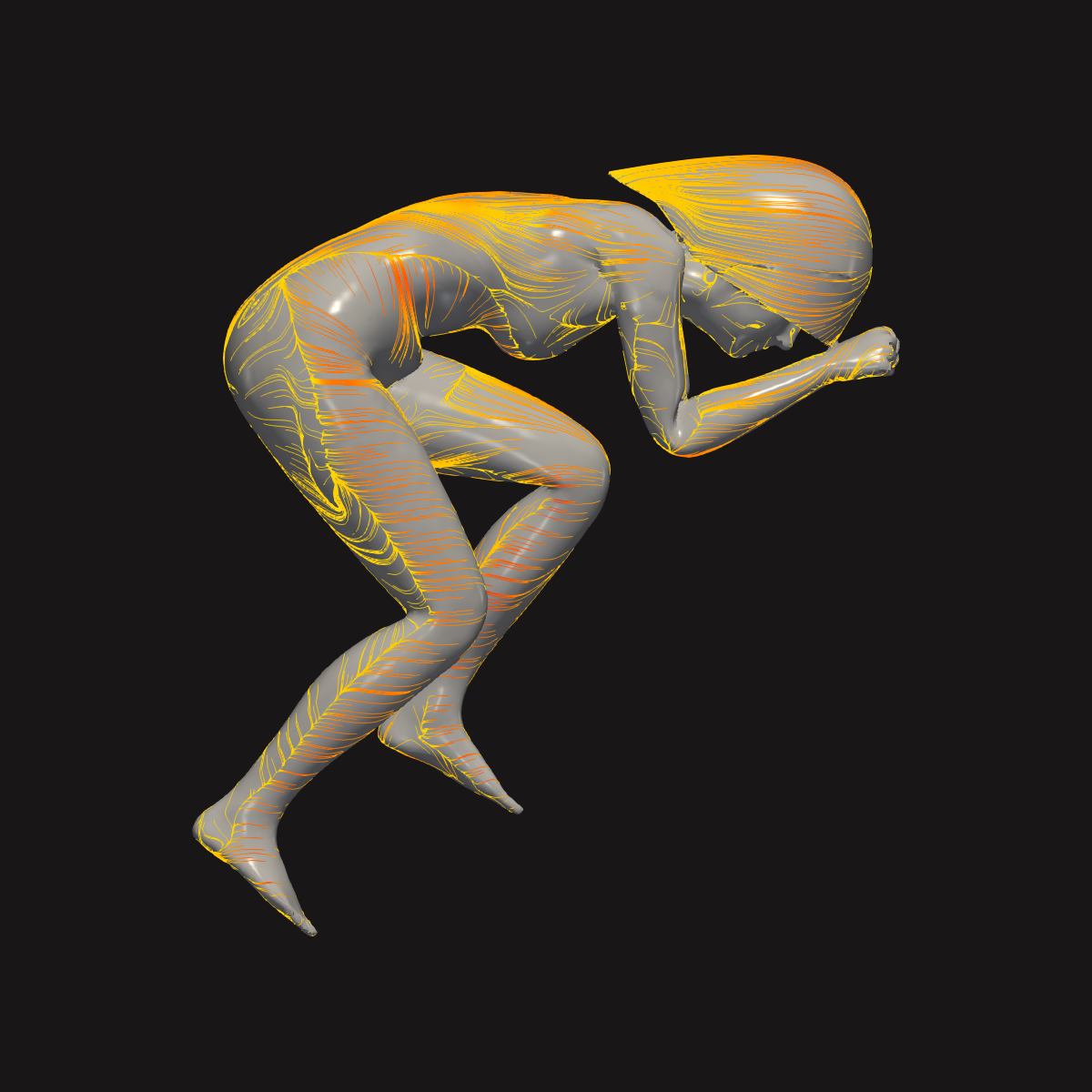
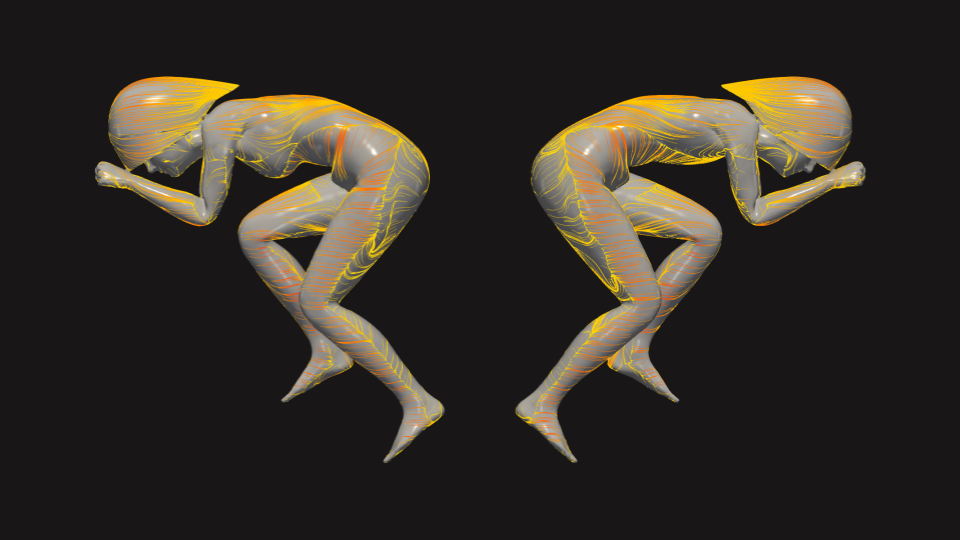
We ran the question directly. One digital aero twin per sex, held fixed — same skeleton, same position, same general body shape with only the chest volume changed. For the women, three padding levels: small, medium, large. For the man a bottle-shaped fairing under the skinsuit. Each case was run on two different helmets, because a chest fairing changes the flow arriving at everything downstream of it and there was no reason to assume the helmet was neutral.
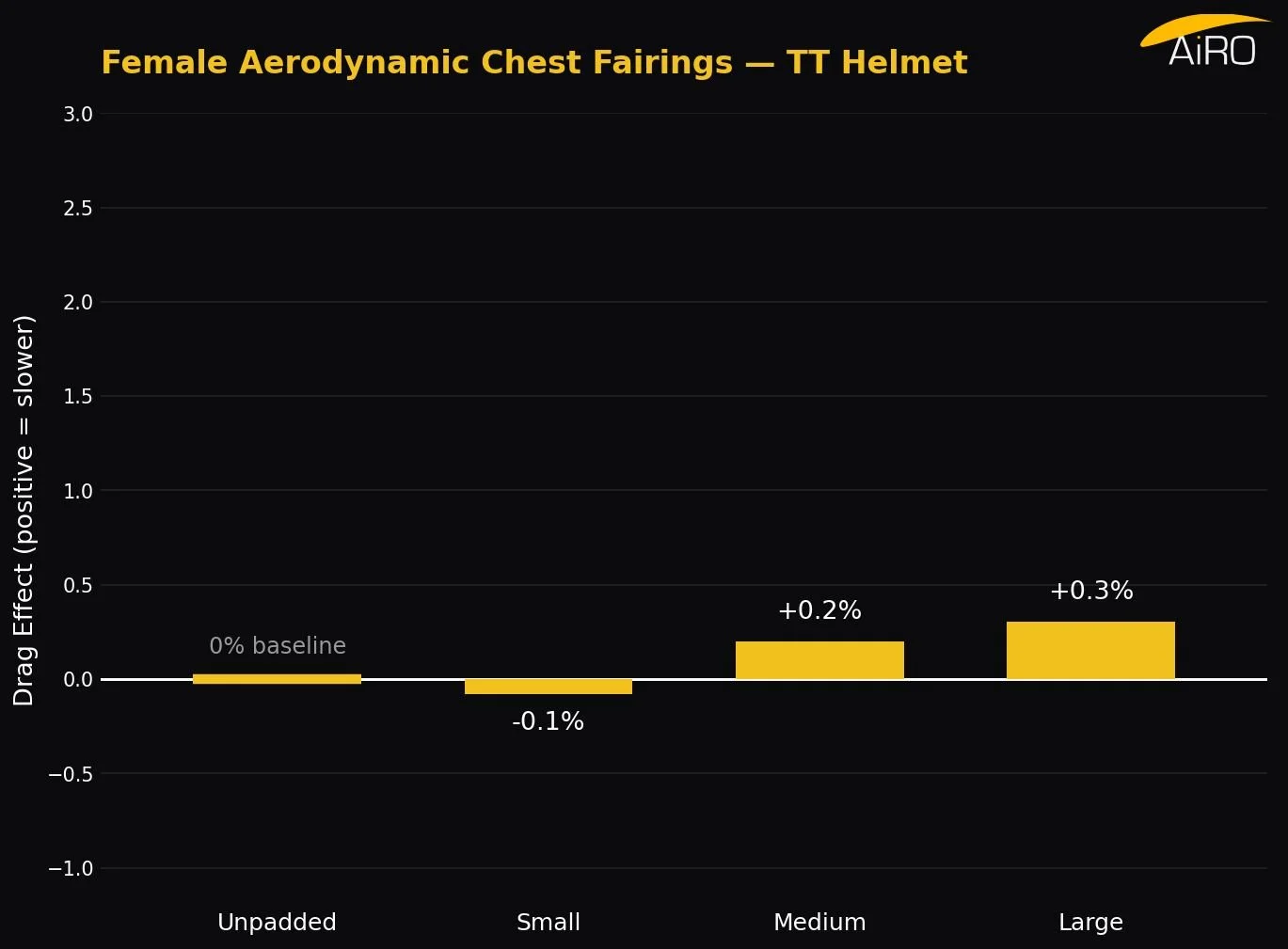
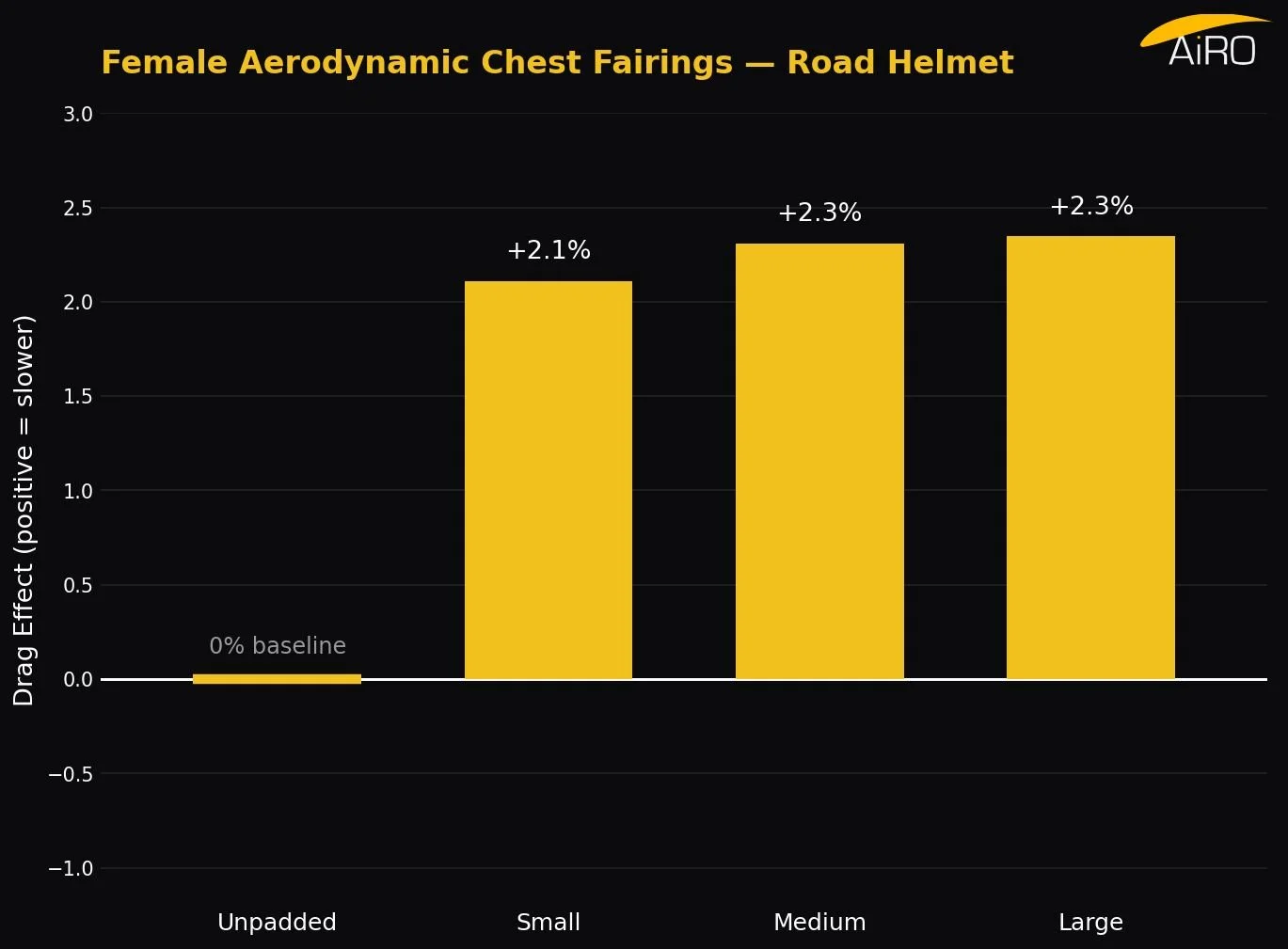
Here is the female result on the Specialized Evade and the Ekoi Pureaero.
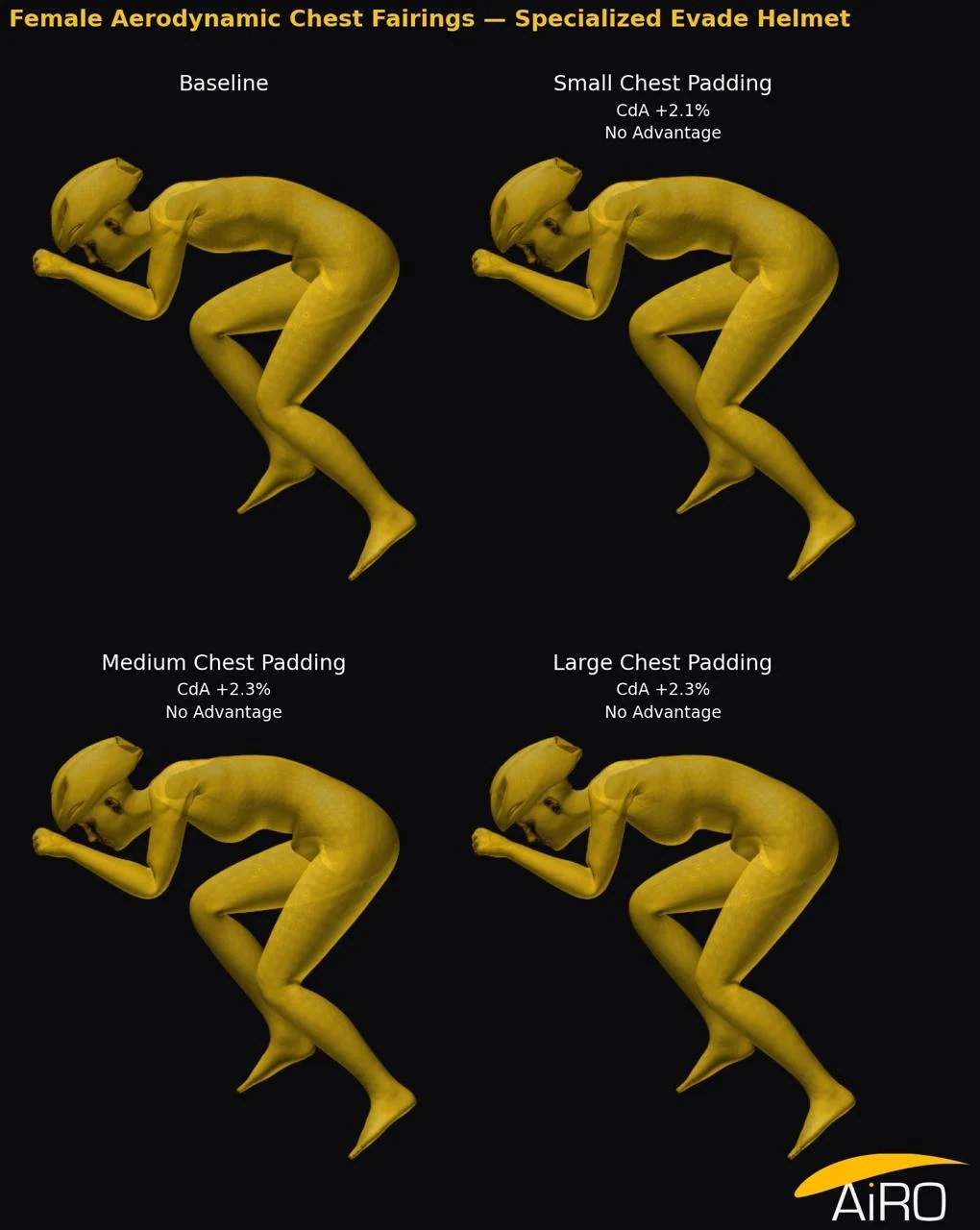
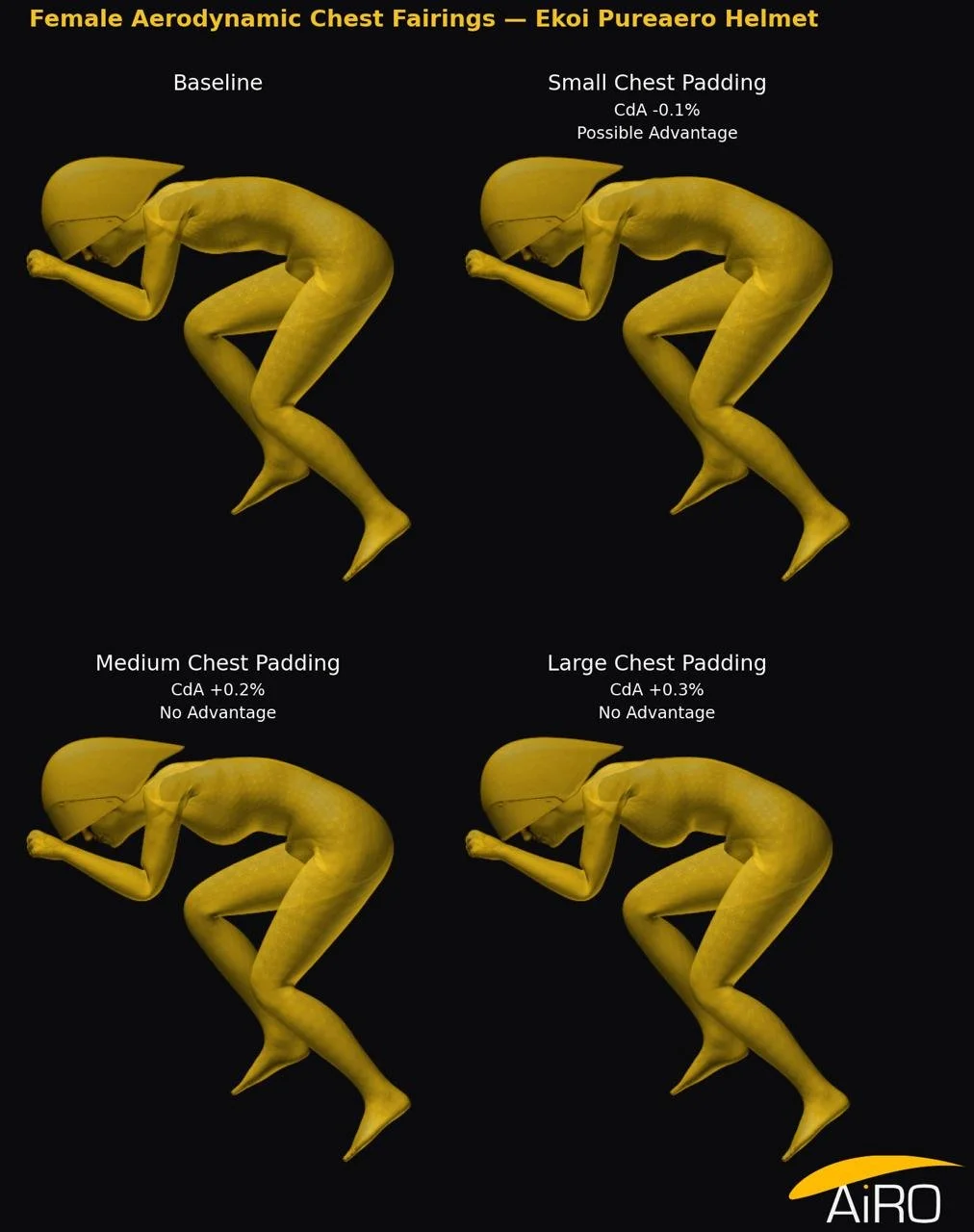
Positive means slower. On the Evade, all three padding levels came out around +2.2%, meaning larger chest sizes tested slower. On the Ekoi, the same three morphologies landed at −0.1%, +0.2% and +0.3%, which is nothing at all. Not one configuration produced a measurable gain, and going from small to large padding barely moved the number on either helmet.
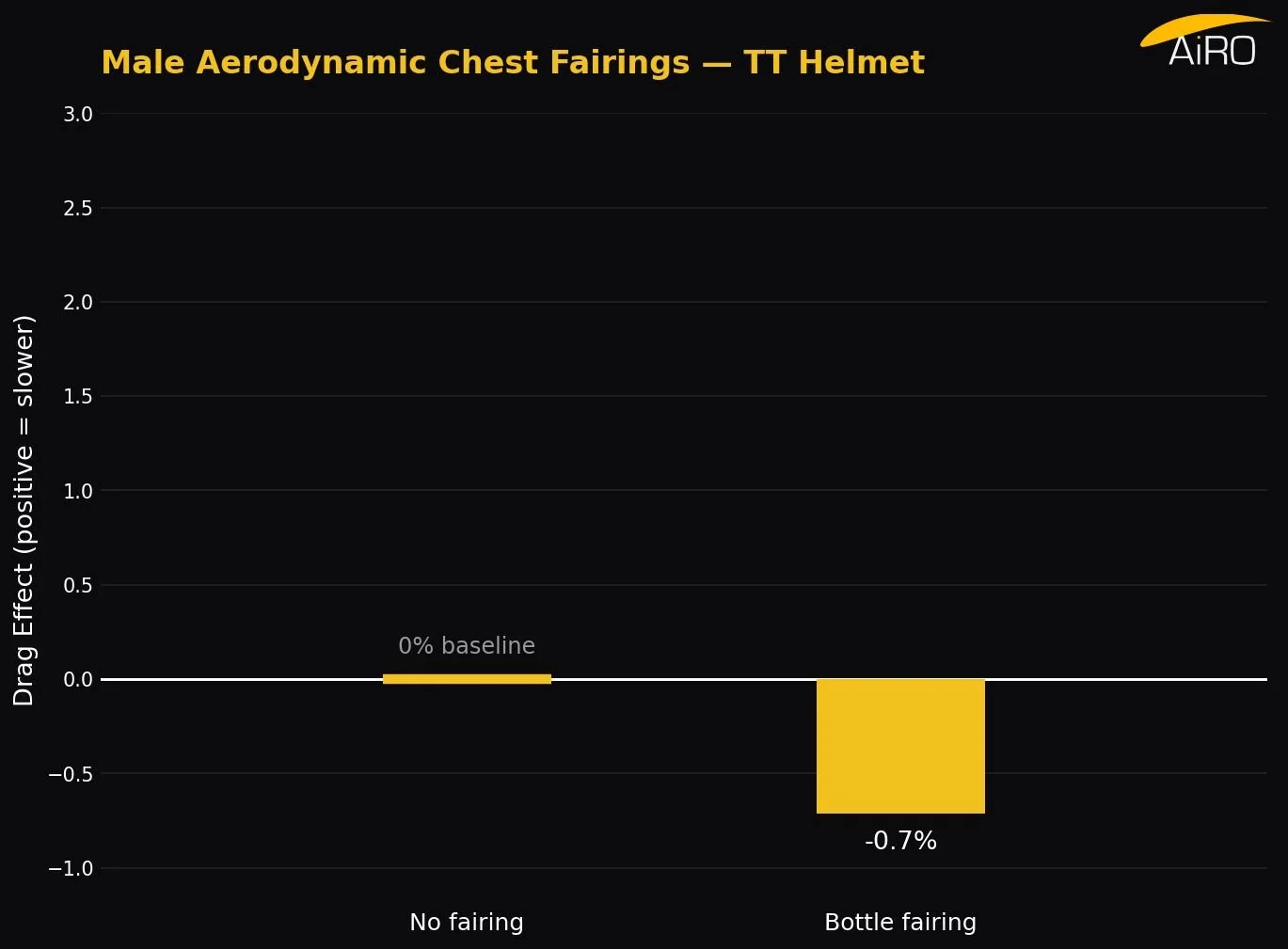
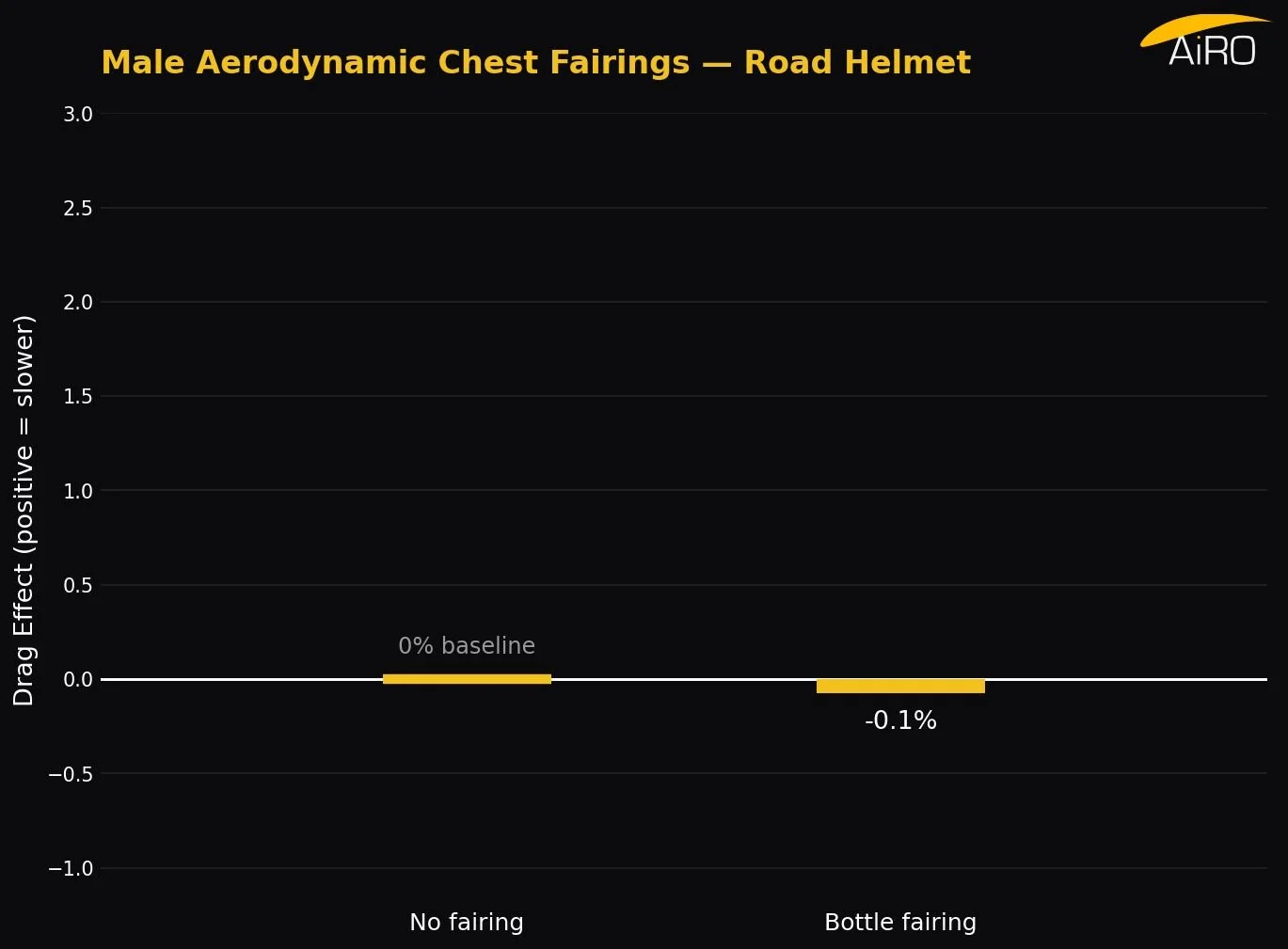
Let us compare those results with a proper fairing, like a water bottle stuffed down a jersey as has been seen by some male riders in the past.
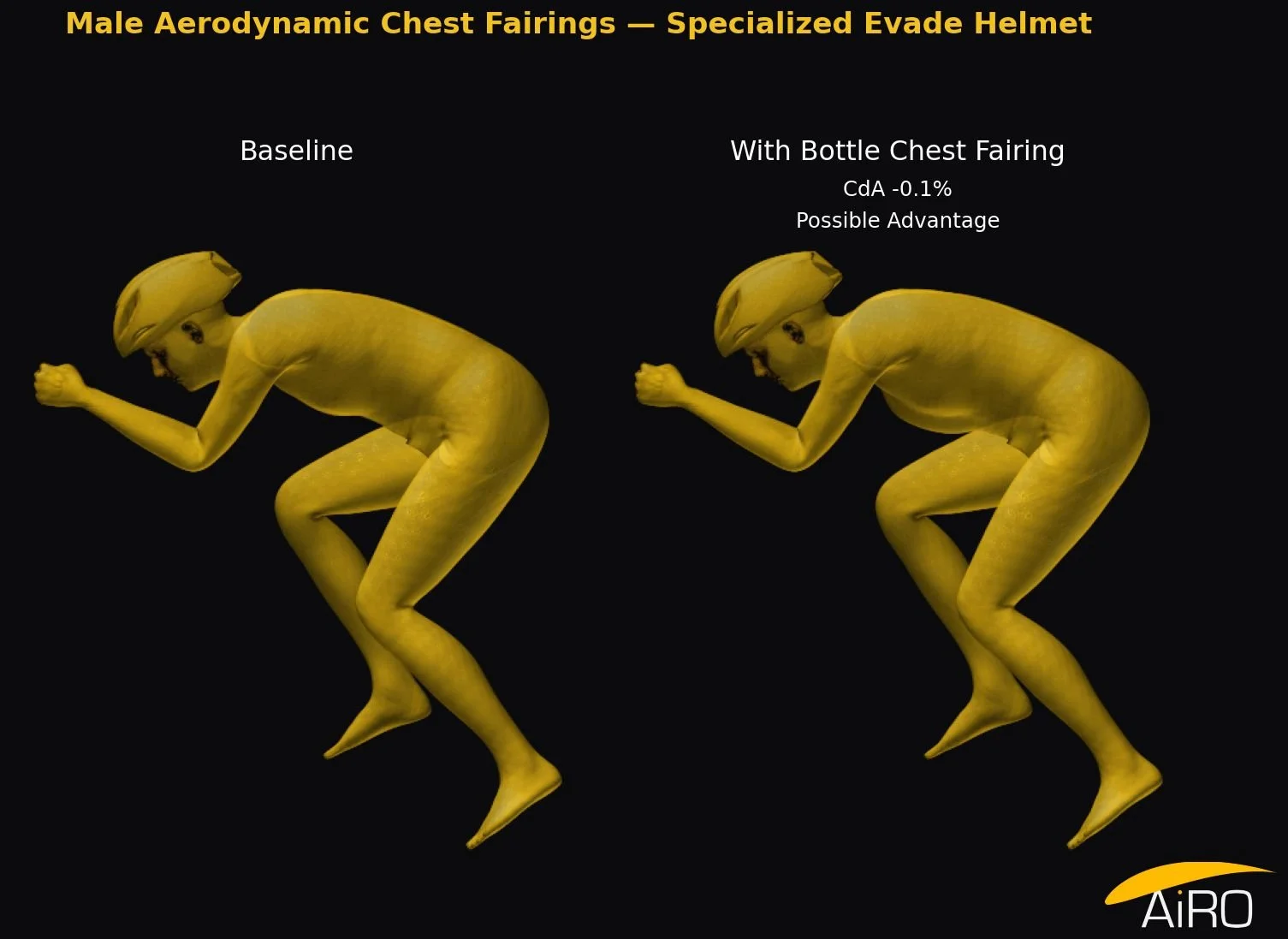
−0.7% on the Giro Aerohead, −0.1% on the Specialized Evade. The best case is a possible small advantage that is within measurement uncertainty. That is with an object under the suit, on a male rider, in a full time trial position. Changing chest volume by the amount a padded sports bra can change it did nothing on either helmet, for either sign, at any of three sizes.
This study has limitations: One rider per sex, and all cycling aerodynamics is sensitive to the individual: Different torso, different position, different result, but the results show that bra stuffing is at least not clearly a benefit.
How this compares to the published literature
Blocken's team tested seven fairings. Three of them were small, in the size class of what you could plausibly hide in a sports bra. Those three returned drag changes of +0.54%, +0.39% and −0.68%. Two nearly invisible improvements and one that made the rider slightly slower.
The 3.6% headline came from “Chest Fairing 4”: a solid prismatic block 313 mm wide and 87 mm tall, spanning the rider's entire chest, modelled on what triathletes were using in Kona. The other two configurations that produced real gains, at 2.57% and 2.03%, were the same species of object.
Conclusion
Our data and the published literature agree on the point that matters for this controversy: Small chest volume changes, as they could be hidden in a sports bra do not seem to make riders faster. Athletes need a large object, at least the size of a large bottle, correctly shaped, to get into the range where anyone should start to care. That object is visible, it is already illegal, and needs no additional policing of sensitive body parts.
Blocken, B., Malizia, F., van Druenen, T., "CFD analysis of chest fairings in time trial cycling," J. Wind Eng. Ind. Aerodyn. 248 (2024) 105709. Open access under CC BY 4.0.
All presented simulations were created using AiRO’s Digital Aero Twin Technology. AiRO.app, contact: Ingmar Jungnickel (Ingmar@airo.app)
